Jamaican Food From the Beach to the Dinner Table
@louislakp392
October 23, 2026 · 15 min read
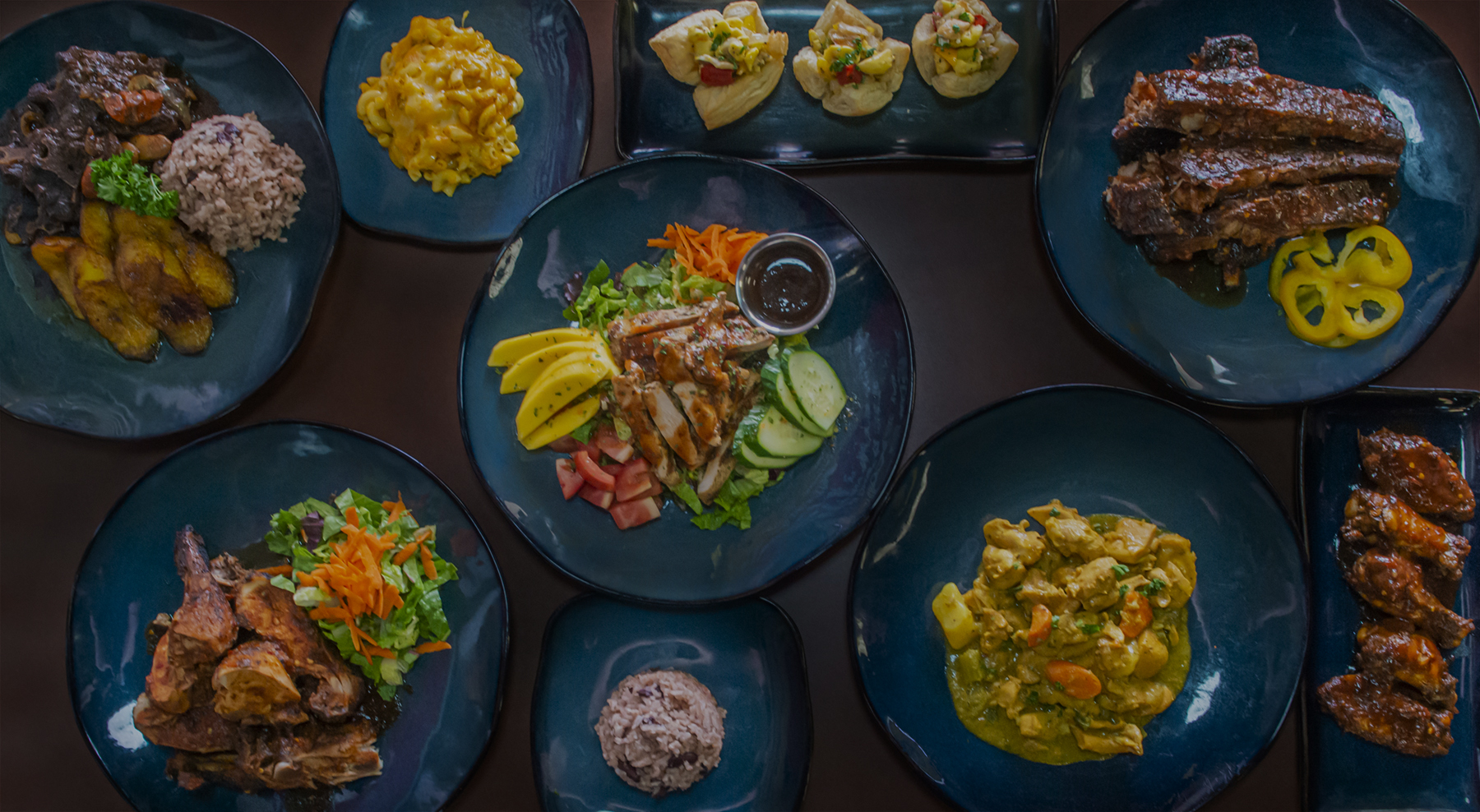

Jamaican food makes the strongest impression when it catches you slightly off guard. Maybe it is a paper plate of jerk chicken eaten with your fingers while sea spray hangs in the air. Maybe it is a pot of rice and peas set in the middle of a family table, fragrant with scallion, thyme, coconut milk, and Scotch bonnet. The setting changes, but the effect is the same. The food is direct, layered, and memorable, built from spice, patience, and an instinct for balance.
What outsiders often miss is that Jamaican cooking is not only about heat or smoke or the few dishes that travel well on tourist menus. It is a cuisine shaped by land, sea, migration, scarcity, celebration, and everyday pragmatism. It knows how to make a beach lunch taste like a feast and how to turn the humble staples of a home kitchen into something deeply satisfying. A proper look at Jamaican food has to move between those two worlds, because that is where its character lives.
Where the flavor begins
To understand Jamaican food, it helps to start with its pattern of influences rather than any single dish. The island’s cuisine carries the imprint of African foodways, Indigenous Taíno knowledge, British colonial habits, Indian indentured labor traditions, Chinese migration, and ingredients that moved through trade routes for centuries. That might sound like a historian’s summary, but on the plate it becomes very concrete. It is ackee cooked with saltfish. It is curry goat with a spice profile that traveled and then changed. It is fried dumplings beside mackerel rundown. It is escovitch fish, sharp with vinegar and peppers, but undeniably local in spirit.
Jamaican cooks are masters of contrast. Richness gets cut with acid. Heat gets softened by starch. Smoke meets sweetness. Salty fish sits beside buttery ackee. A plate that looks heavy often eats lighter than expected because the seasoning is doing precise work. The best meals are rarely one-note.
That precision matters because the ingredients can be forceful. Scotch bonnet peppers are fruity and aggressive. Pimento, called allspice elsewhere, brings warmth that can tilt sweet or savory. Fresh thyme, scallion, garlic, ginger, and onion build the familiar foundation of countless pots and marinades. Coconut milk, whether used in rice and peas or rundown, adds body without muting character. Even the side dishes carry weight. Festival, bammy, hard dough bread, roasted breadfruit, boiled green banana, and fried plantain are not afterthoughts. They are chosen because they steady and complete a plate.
The beach is one of Jamaica’s great dining rooms
Some of the most vivid Jamaican food is eaten outdoors, often near the water, where the cooking feels inseparable from the climate. Beachside cooking tends to favor dishes that hold up well to charcoal, oil, salt, and motion. Fish is the obvious star. Whole snapper or doctor fish might be fried until the skin turns crisp and deeply colored, then topped with escovitch vegetables, usually onion, carrot, and pepper pickled just enough to bite back. Lobster, when in season, may be split and grilled with a simple butter mixture that lets the sweetness come through. Conch soup and pepper shrimp show another side of the coast, one built around spice, brine, and speed.
There is also a practical intelligence to beach food. Sand, wind, heat, and appetite do not reward fragile cooking. The dishes that thrive there tend to be assertive and structurally sound. Jerk chicken can sit for a bit and still taste excellent. Fried fish stays compelling even after the first rush of heat is gone. Bammy, made from cassava, can absorb juices without falling apart. Festival adds sweetness to salty seafood and is easy to eat by hand. Good beach food knows people are often standing, talking, moving, and hungry.
At a modest seaside cookshop, the ritual can be as important as the menu. You hear the oil before you see the fish. You catch the smell of pimento wood smoke drifting above the beach chairs. Someone asks whether you want extra pepper, and the correct answer depends less on bravado than on experience. Plenty of visitors learn the hard way that Jamaican heat has intention. It is not there for spectacle. A spoonful of pepper sauce can sharpen the whole meal, but too much can flatten the subtler notes that make the food worth paying attention to.
Jerk, of course, dominates the popular imagination, and for good reason. Proper jerk is one of the great cooking traditions of the Caribbean. It is not just a seasoning blend. It is a method and a sensibility, historically tied to Maroon communities who developed techniques for preserving and cooking meat with smoke, spice, and concealment. In everyday terms, that heritage lands on the plate as deeply seasoned meat, usually chicken or pork, cooked low enough to take on smoke and high enough to develop char. The marinade can vary by cook, but Scotch bonnet, pimento, thyme, scallion, garlic, ginger, and often a touch of sweetness form the familiar backbone.
The best jerk at the beach tastes alive in layers. First comes smoke, then salt, then the green brightness of herbs, then pepper heat that builds instead of detonates. That is the difference between a thoughtful jerk and a bluntly spicy one. Too many places outside Jamaica mistake heat for authenticity. Jamaican food rarely makes that mistake when it is cooked by people who know what the seasoning is supposed to do.
Fish, fire, and the art of not overcomplicating things
Seafood in Jamaica benefits from restraint. Fresh fish does not need a heavy hand, but it does need confidence. A whole fried fish is a perfect example. The seasoning might be little more than salt, black pepper, and a touch of all-purpose spice before frying, because the real punch arrives with the escovitch topping. The vinegar, onion, and carrot create the contrast. The fish stays the fish.
Steam fish works on the same principle but with a gentler touch. Broth, okra, pumpkin, cho cho, Irish potato, and fish come together with enough seasoning to support the dish without muddying the clean marine flavor. It is one of those meals that looks humble and tastes complete. If fried fish is the extrovert at the beach, steam fish is the thoughtful relative at the family gathering who ends up being everyone’s favorite.
Rundown deserves more attention than it usually gets abroad. Mackerel rundown, in particular, shows the economy and imagination of Jamaican home cooking. Salt mackerel is simmered in reduced coconut milk with tomato, onion, thyme, and pepper until the sauce thickens and clings. The name sounds casual, but the result is rich and carefully judged. Served with boiled green banana, dumpling, or roasted breadfruit, it can be one of the most satisfying meals on the island.
What reaches the home table
If the beach expresses Jamaican food at its boldest, the home table reveals its depth. This is where repetition turns into mastery. Rice and peas every Sunday is not monotony. It is tradition, calibration, and comfort. The cook knows by scent whether the coconut milk is right. The thyme branch goes in almost automatically. The pot gets checked by feel as much as sight.
Sunday dinner is often treated as the center of Jamaican domestic cooking, and that is fair. A typical spread may include rice and peas, stewed or fried chicken, curry goat, macaroni and cheese in the baked island style, salad, and perhaps plantain. But daily meals matter just as much, because they show how adaptable the cuisine is. Callaloo and saltfish for breakfast. Cornmeal porridge before school or work. Brown stew chicken on a weeknight. Soup on Saturdays, especially red peas soup or chicken foot soup, built to feed many people well and economically.
Brown stew chicken tells you a lot about Jamaican technique. The chicken is seasoned ahead, often browned with a little sugar in oil to create color and depth, then simmered with onion, thyme, scallion, tomato, garlic, and pepper until the sauce turns glossy and savory. It is not flashy, but done well it has a rounded, almost old-fashioned competence that many modern restaurant dishes never achieve. The https://maps.app.goo.gl/LnpmYamy5BRY1Cs57 gravy matters as much as the meat. A cook who can make a good Jamaican brown stew understands timing and patience.
Ackee and saltfish may be the national dish, but it is also a lesson in texture and restraint. Ackee, when properly cooked, becomes soft and custardy, almost like a delicate scrambled egg in appearance, though not in flavor. Saltfish brings salinity and chew. Tomato, onion, scallion, thyme, and pepper carry the dish without overwhelming it. Good ackee and saltfish should feel balanced, not busy. Too much stirring ruins the ackee. Too much salt ruins the entire breakfast.
That sort of judgment runs through Jamaican home cooking. There is a practical side to it, often learned young, that values thrift without lowering standards. Salted meats and fish developed partly because they kept well. One-pot soups stretch ingredients. Ground provisions such as yam, sweet potato, coco, and green banana are filling, durable, and nutritionally sensible. Breadfruit can be roasted, fried, or turned into a starch for almost any meal. The table reflects abundance when it can, but it also reflects discipline.
The seasonings that quietly carry the cuisine
Anyone trying to cook Jamaican food seriously, rather than imitate its surface, needs to understand the pantry and garden staples that appear again and again. Techniques vary from parish to parish and house to house, but several ingredients show up so often that they shape the cuisine’s grammar.
- Scotch bonnet pepper for heat and fruitiness
- Pimento, or allspice, for warmth and depth
- Fresh thyme and scallion as aromatic anchors
- Coconut milk for body in rice, rundown, and some soups
- Ginger, garlic, and onion for backbone and lift
Even this short list does not capture the full range. Browning sauce, soy sauce, curry powder, nutmeg, cinnamon, and cloves all have their place. The point is not that every dish needs all of them. In fact, the opposite is usually true. Jamaican cooks tend to know exactly when to stop. A curry goat should taste of curry, goat, and the seasoning that supports them, not like every jar in the cupboard tipped into one pot.
That restraint can surprise people who expect Jamaican food to be maximalist all the time. It certainly can be generous, but generosity is not the same as clutter. A bowl of pumpkin soup can taste vivid with relatively few ingredients if the pumpkin is good and the cook knows what the thyme and pepper are supposed to accomplish.
Street food, cookshops, and the difference between rustic and careless
Some of the best Jamaican food arrives in informal settings, but informal should not be confused with sloppy. There is a big difference between rustic cooking and careless cooking, and experienced diners learn to see it quickly. The good cookshop may have plastic chairs and a handwritten sign, yet the food comes out with discipline. Oil is clean enough for frying. The steam table is hot. The gravy tastes fresh, not tired. The slaw still has texture. The jerk pit is being managed, not merely used.
Street food in Jamaica often succeeds because it is narrowly focused. A vendor may do one thing exceptionally well, whether that is pepper shrimp, roast corn, soup, patties, or jerk pan chicken. That specialization matters. The seasoning is repeated, adjusted, and perfected over time. You are eating food from people who know their lane.
Jamaican patties deserve a place in this conversation because they bridge the street and the home so neatly. A proper patty has a flaky, golden crust, often tinted with turmeric or curry, and a filling that stays moist without becoming loose. Beef is the standard bearer, but chicken, vegetable, lobster, and ackee fillings have their following. What separates a good patty from an average one is structure. The crust must shatter lightly without turning dry. The filling must be boldly seasoned without leaking grease. It is a small item with surprisingly high technical demands.
Sweetness, starch, and the need for balance
One of the quiet strengths of Jamaican food is its understanding of sweetness as a balancing tool. Festival beside escovitch fish is the obvious case, but the principle shows up everywhere. Fried ripe plantain brings caramel notes to salty meats. Sweet potato pudding can follow a spicy meal without feeling disconnected. Even drinks such as sorrel or carrot juice often carry spice and sweetness together rather than treating sugar as a simple softener.
Starches, too, are doing more than filling space. Rice and peas absorbs gravy and rounds out intense meats. Bammy offsets fried fish with a mild cassava chew. Breadfruit can be roasted until smoky and dry at the edges or boiled until tender, then paired with rundown or callaloo. These are not neutral side dishes in the way plain rice sometimes functions elsewhere. In Jamaican food, the starch is part of the argument.
That is especially clear at family meals, where people often build bites across the plate rather than eating each element separately. A forkful of rice and peas with stewed chicken and a sliver of plantain tastes different from each component on its own. The cuisine assumes combination. It rewards people who let flavors overlap.
Why home cooks matter as much as celebrated chefs
The current global interest in Caribbean cuisine has helped bring Jamaican food to more diners, and that is welcome. Still, the cuisine’s real authority remains with home cooks, market women, roadside vendors, and small restaurant operators who keep dishes consistent year after year. Their knowledge is specific. They know which yam boils well. They know that one bunch of thyme is more pungent than another. They know when a pot needs ten more minutes and when it needs to be left alone entirely.
Recipes can only take a cook so far here. Jamaican food depends heavily on sensory judgment, the kind that develops through repetition. How spicy is this particular Scotch bonnet? How salty is the saltfish after soaking? Is the coconut milk thick enough for the rice, or will it need adjustment? These are not glamorous questions, but they are the ones that decide whether dinner is merely decent or genuinely good.
That is also why Jamaican food can vary so much from one kitchen to another without losing its identity. One family’s curry goat may lean earthier, another’s brighter. One cook’s jerk marinade may be wetter, another’s drier. Someone adds bell pepper to stew, someone else never would. Variation is not a flaw. It is evidence of a living cuisine.
Bringing beach flavor into the kitchen without losing the plot
People often try to recreate Jamaican food at home by chasing the loudest flavors first, especially jerk. The better approach is to start with balance and cooking method. If you do not have pimento wood, you can still make compelling jerk by paying attention to smoke, salt, heat, and herbs in proper proportion. A grill with a lid, a little patience, and a willingness to marinate overnight gets you closer than an aggressive spice rub applied ten minutes before cooking.
The same principle holds for other dishes. Do not drown ackee in seasoning. Do not make brown stew excessively sweet. Do not overcook callaloo into submission. Respect the ingredient, then season it with confidence. Jamaican food is generous, but it is not random.
For home cooks outside Jamaica, sourcing can be the main challenge. Fresh ackee is restricted in some places, though canned ackee is widely available and useful if handled gently. Scotch bonnet may need substituting with habanero in a pinch, knowing the flavor is similar but not identical. Breadfruit can be hard to find. Saltfish, however, is easier to source than many people think, and staples like thyme, scallion, coconut milk, curry powder, and allspice are now common in many supermarkets.
Where substitutions happen, honesty matters. A dish inspired by Jamaican food can still be excellent, but it should not pretend to be exact if key ingredients are missing. This is especially true with jerk and curry, two categories often flattened in international cooking. Jamaican curry powder is distinctive, usually more aromatic and less harsh than some supermarket blends. Jerk made without allspice and Scotch bonnet may be enjoyable, but it is moving away from the center.
The meal as memory
What lingers most about Jamaican food is not only the flavor, though the flavor has staying power. It is the way the cuisine connects place and people. A beach meal tastes of weather, salt, charcoal, and immediacy. A dinner table meal tastes of routine, care, and memory. Both are essential. One shows the island at its most vivid and public. The other shows it at its most intimate and enduring.
That movement from beach to table is what makes Jamaican food so compelling. It can be festive without becoming theatrical. It can be practical without turning plain. It travels well in story, but it really comes into focus when eaten where it belongs, from a roadside pan, a cookshop counter, or a family pot that has seasoned years of Sundays.
For anyone trying to understand the cuisine seriously, the best advice is simple. Eat widely, pay attention to the side dishes, respect the home cooks, and do not confuse loud seasoning with depth. Jamaican food earns its reputation because it knows how to do both excitement and comfort, sometimes on the same plate. Few cuisines manage that with such confidence.
Reggae Pot Jamaican Grill
7562 S University Blvd C, Centennial, CO 80122
(303) 997-5623
FAQ About jamaican food
What is the best Jamaican food to try in Centennial?
The best choice depends on your preferences. Reggae Pot Jamaican Grill offers jerk chicken, curry goat, oxtail, and escovitch snapper, along with sides such as rice and peas and fried plantains. Ask the restaurant about current availability and spice levels before ordering.
Is Jamaican food very spicy in Centennial?
Heat varies by dish and preparation. Jerk dishes can be hot, while some stews and sides are milder. Tell the restaurant your preferred heat level and ask which options suit you.
What is typically on a Jamaican menu?
Common choices include jerk chicken, curries, oxtail, fish, patties, rice and peas, and plantains. Reggae Pot also lists ackee and saltfish and vegetable dishes. Menus and availability can change, so confirm your choices when ordering.